Understanding the psychology behind gambling behaviors and choices
The Allure of Gambling: What Draws People In
Gambling has captivated the human mind for centuries, serving as both a form of entertainment and a means of escape. The thrill of risking money for the potential reward stimulates various brain mechanisms, neosurf online casino australia often akin to those triggered by substance use. This phenomenon is primarily rooted in the allure of unpredictability and the excitement of chance, which can initiate a visceral response leading to repeated behaviors.
Psychological factors play a significant role in the attraction to gambling and its subsequent effects on decision-making processes. For instance, cognitive biases such as the “illusion of control” can encourage individuals to believe they can affect random outcomes, leading them to gamble more frequently. The engaging nature of promotional campaigns and the social aspects of gambling further deepen this connection, making it an appealing pursuit for many.

Additionally, the excitement generated by the prospect of winning big can create a powerful motivational force. Advertisements often focus on life-changing jackpots, making it easy for individuals to fantasize about the potential rewards. This sense of hope and aspiration can make gambling feel like a thrilling adventure rather than a mere risk, further contributing to its allure.
The Emotional Rollercoaster: How Feelings Influence Choices
The emotional states of gamblers can greatly impact their decision-making process. Many individuals turn to gambling when experiencing stress or dissatisfaction in their lives, seeking a temporary escape. The variability of outcomes provides an emotional high when winning, but losses can lead to feelings of despair and anxiety. This duality can create a harmful cycle, where individuals gamble to chase losses or to regain a sense of control.
Furthermore, the phenomenon known as “loss aversion” can perpetuate gambling behaviors. People often feel the pain of losing money more intensely than the joy of winning an equivalent amount. This drives many to continue gambling, hoping to turn the tide in their favor. Understanding these intricacies can shed light on why people make seemingly irrational decisions during gambling sessions. The emotional impact of gambling goes beyond the individual, often affecting relationships with others who may witness these emotional struggles.
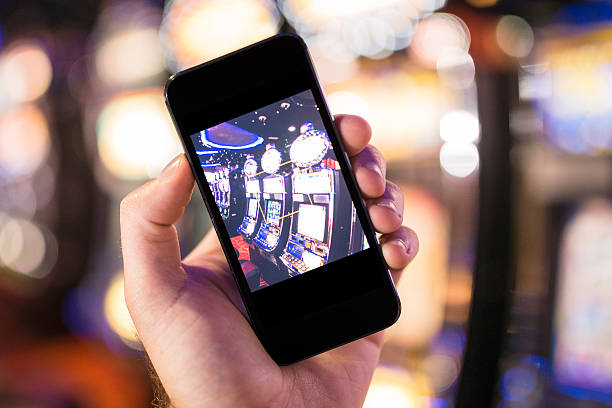
Social Influences: The Role of Environment
Social interactions and cultural settings have a powerful influence on gambling patterns and behaviors. Friends and family can significantly affect one’s propensity to gamble, with social cues often encouraging participation. This social dimension introduces additional layers of complexity, as people may feel the need to conform to group behaviors, resulting in increased gambling activity.
Moreover, the presence of gambling establishments within communities can normalize the behavior, making it appear as a socially acceptable activity. For many, visiting casinos or participating in sports betting is a social event, leading to group dynamics that further perpetuate gambling. Awareness of these social influences is essential for understanding individual gambling choices and their broader societal implications. Community events that center around gambling can create a shared experience, further reinforcing gambling as a component of social culture.
Risk and Reward: The Behavioral Economics of Gambling
The principles of behavioral economics provide profound insights into gambling behaviors. Many individuals exhibit risk-seeking behavior when facing uncertainty, often placing greater value on potential rewards rather than assessing actual probabilities. This tendency is at the heart of why gamblers frequently make high-stakes bets, even when the odds are skewed against them.
Another aspect of behavioral economics that impacts gambling choices is the concept of “sunk cost fallacy.” Gamblers may feel compelled to continue betting to recover previous losses, ignoring statistical probabilities. This irrational behavior can lead to escalating financial setbacks, further entrenching individuals in their gambling habits. Understanding these economic principles allows for deeper insights into the compulsive nature of gambling. Additionally, recognizing the role of emotions in economic decision-making provides an avenue for developing strategies aimed at mitigating harmful gambling behaviors.
Discover the Excitement of Online Gambling
For those intrigued by gambling, websites like neosurf online casino australia offer an exciting platform to explore various games while understanding the psychology behind gambling choices. These online casinos have democratized access to gambling, allowing individuals to engage at their own pace and convenience.
Moreover, the digital face of gambling integrates many psychological elements discussed—such as social interaction through online communities and new promotional tactics to captivate players. By providing insights into behaviors and choices just at your fingertips, these platforms blend the thrill of traditional gambling with the advantages of technology, making the experience richer and more accessible. This evolution in gambling culture challenges traditional perceptions and necessitates a deeper understanding of the psychological implications associated with online gambling behaviors.
Comments on this entry are closed.