The evolution of casinos tracing the journey through time
Ancient Beginnings of Gambling
The roots of gambling can be traced back to ancient civilizations, where games of chance were integral to cultural practices. The earliest records of gambling date back to around 3000 BC in China, where rudimentary forms of dice were crafted from bone. These games were not merely for amusement; they often played a crucial role in social gatherings and rituals. Similarly, the Romans were known to gamble on chariot races and gladiatorial contests, showcasing how gambling was interwoven with entertainment. For those seeking more information, our FAQ section, which you can explore at https://roospincasinoau.com/faq, provides detailed insights.
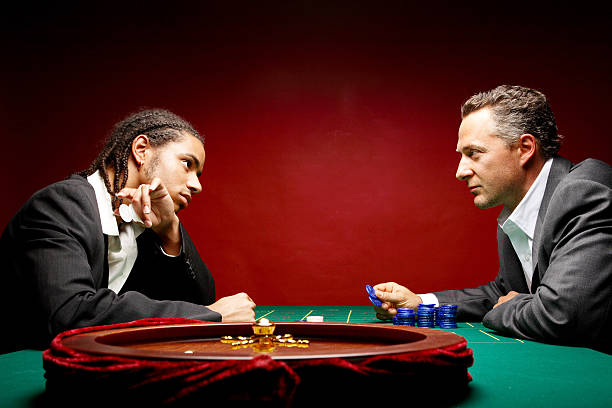
In ancient Greece, betting on athletic competitions, particularly the Olympic Games, became highly popular. This laid the groundwork for organized gambling as we know it today. Individuals would place bets on their favorite athletes or teams, creating an early form of sports betting that continues to thrive in modern times. Furthermore, these early forms of gambling represented more than just a chance for profit; they reflected societal values and camaraderie among participants, emphasizing the communal aspect of these activities.
The evolution of gambling in these ancient societies underscores its enduring appeal, rooted in human nature’s desire for competition and chance. As civilizations progressed, the practice of gambling would evolve, leading to the establishment of more structured betting systems and the inception of formalized gaming houses, setting the stage for the modern casino landscape.
The Rise of Formal Gaming Houses
By the 17th century, the concept of casinos began to take shape in Europe, particularly in Italy. The first official casino, the Ridotto, was established in Venice in 1638, providing a controlled environment for gambling away from the chaos of public life. This institution marked a pivotal moment in the evolution of casinos, as it combined entertainment with a sense of elegance and exclusivity. Patrons could indulge in games like baccarat and faro, which were popular among the elite of society.
As gambling gained popularity across Europe, more gaming houses emerged, each designed to provide a lavish experience. The gaming rooms were adorned with fine furnishings, and the atmosphere was filled with the excitement of chance, creating a magnet for affluent patrons. This era also witnessed the establishment of rules and regulations to manage gambling activities, ensuring a fair play environment and protecting the interests of both players and operators.
The rise of formal gaming houses contributed significantly to the development of gambling as a recognized form of entertainment. As these establishments flourished, they began to influence social norms, leading to a cultural acceptance of gambling that persists to this day. This growing acceptance paved the way for casinos to evolve into complex entertainment hubs, offering more than just games of chance.
The American Casino Boom
The journey of casinos took a dramatic turn in the 20th century, particularly with the rise of Las Vegas as the gambling capital of the world. After the legalization of gambling in Nevada in 1931, Las Vegas underwent a remarkable transformation, evolving from a dusty desert town to a vibrant city filled with luxurious casinos and entertainment options. Iconic establishments like The Flamingo and The Sands opened their doors, attracting visitors from around the globe.
During this period, casinos began to adopt a more elaborate approach to customer experience. The introduction of themed casinos and lavish shows created a unique atmosphere that set Las Vegas apart from other gambling destinations. The integration of dining, shopping, and live entertainment not only enhanced the appeal of casinos but also established them as multifaceted entertainment venues. This evolution represented a significant shift in how gambling was perceived, transforming it into a primary attraction for tourists.
The American casino boom also sparked a cultural revolution, with movies and media glamorizing the lifestyle associated with gambling. This portrayal contributed to an explosion in popularity, leading to the establishment of casinos across the United States, including Atlantic City, which legalized gambling in 1976. The American casino scene exemplified the evolution of gambling from underground activities to mainstream entertainment, shaping the landscape of the industry significantly.
The Digital Transformation of Gambling
The advent of the internet marked another significant chapter in the evolution of casinos. Online gambling platforms began to emerge in the late 1990s, revolutionizing how players interacted with games of chance. This shift allowed people to enjoy their favorite casino games from the comfort of their homes, expanding the reach of gambling beyond traditional brick-and-mortar establishments. Online casinos offered a broader array of games, including innovative variations that appealed to a new generation of players.
As technology advanced, the online gambling experience became increasingly immersive. Features like live dealer games brought the authentic casino experience to players’ screens, allowing them to interact with real dealers and other players in real time. This innovation bridged the gap between online and traditional gambling, providing an experience that was both convenient and engaging.
The digital transformation also led to the development of mobile gaming applications, further enhancing accessibility. With the rise of smartphones, players could gamble anytime and anywhere, resulting in a surge in participation. This evolution reflects the adaptability of the casino industry, demonstrating its resilience in embracing technological advancements while catering to the changing preferences of consumers.

The Future of Casinos and RooSpins Casino
As we look ahead, the future of casinos is poised for continued evolution. With the ongoing integration of advanced technologies like virtual reality and blockchain, casinos are likely to offer even more engaging experiences for players. Virtual reality could create fully immersive environments where players can interact with each other and the casino in unprecedented ways. Meanwhile, blockchain technology promises to enhance security and transparency, ensuring fair play and building trust among players.
RooSpins Casino stands at the forefront of this exciting evolution. As an online gaming platform tailored specifically for Australian players, RooSpins offers a comprehensive range of games, from classic table games to innovative slots. The user-friendly interface and commitment to customer satisfaction reflect the industry’s ongoing evolution toward providing exceptional gaming experiences. With a focus on fairness and transparency, RooSpins embraces the future of online gambling while honoring the rich history of casinos.
In conclusion, the journey of casinos through time showcases an incredible transformation, from ancient gambling practices to modern entertainment complexes and online platforms. As the landscape continues to evolve, casinos will undoubtedly adapt to new technologies and trends, ensuring their enduring appeal to players worldwide. RooSpins Casino is proud to be a part of this vibrant industry, offering thrilling gaming opportunities while embracing the traditions and innovations that shape the world of gambling.
Comments on this entry are closed.